Close-ups
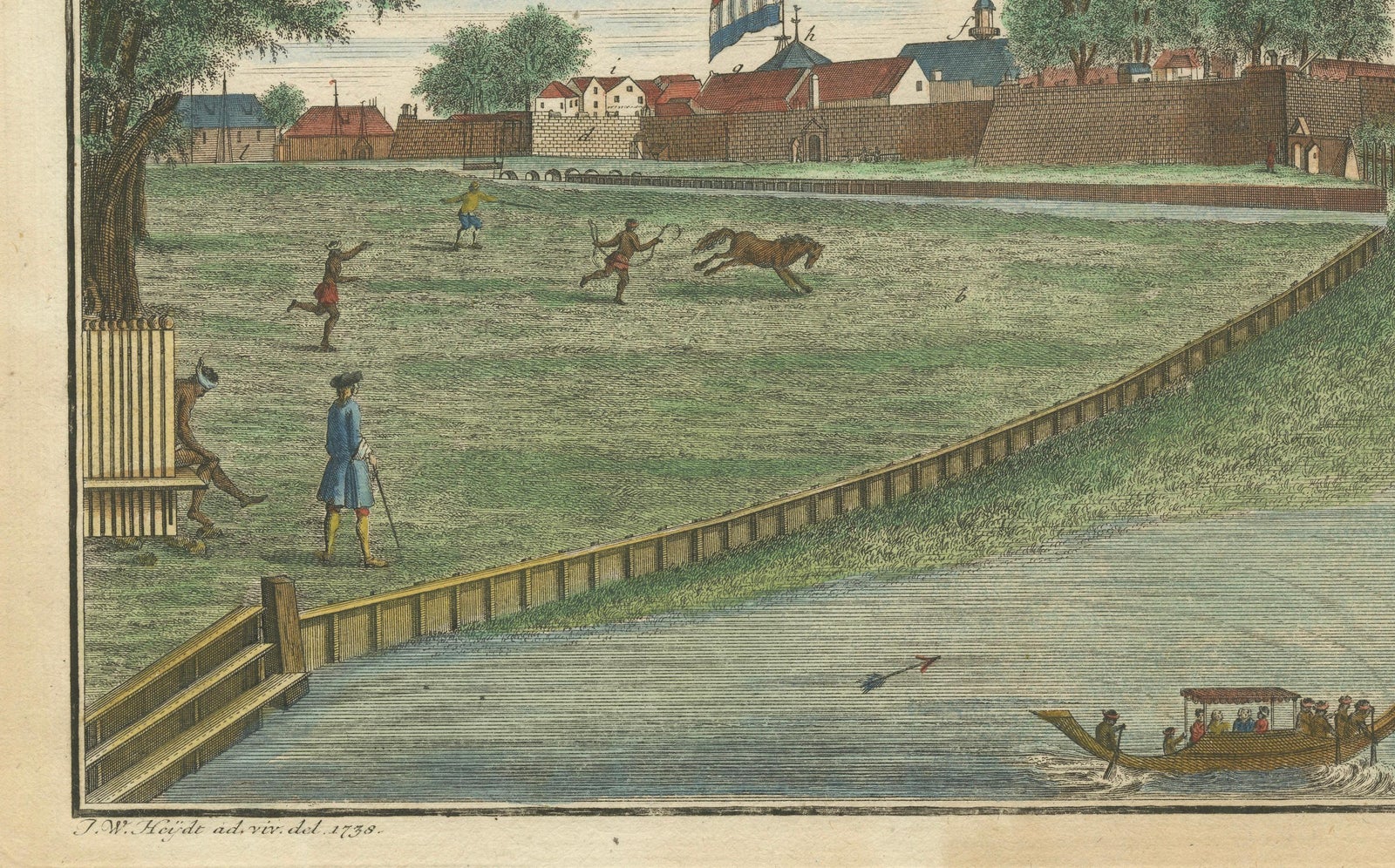
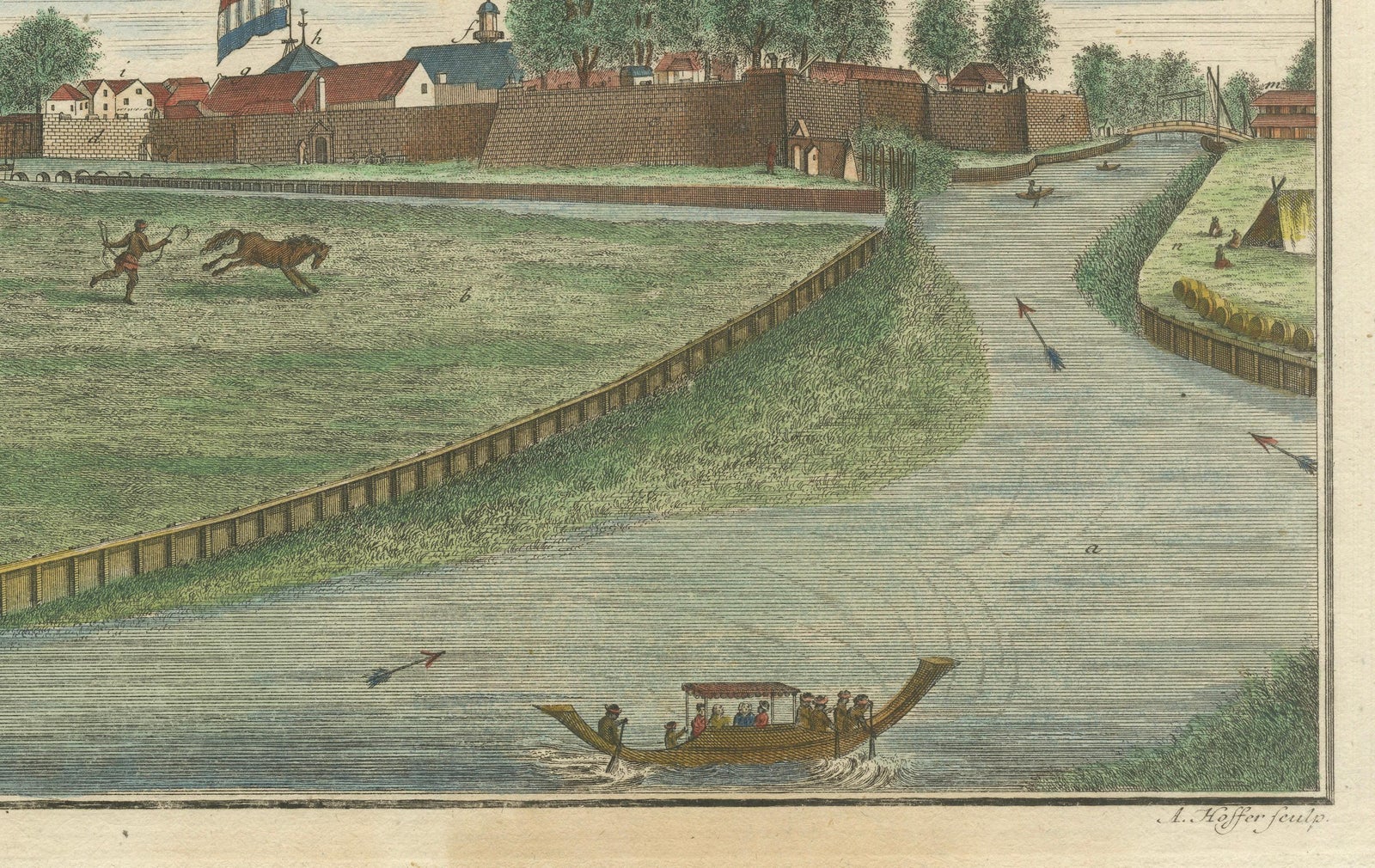
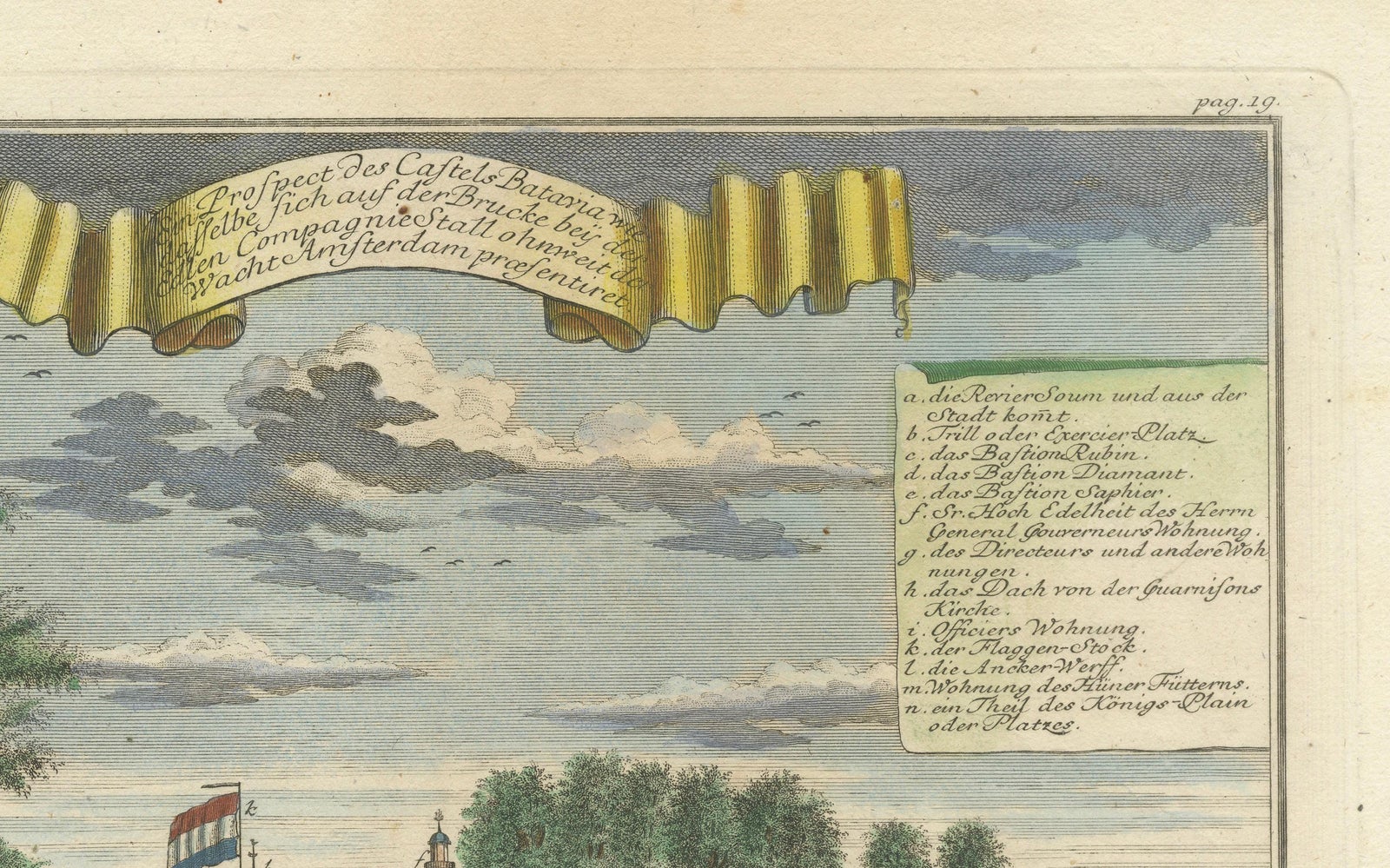
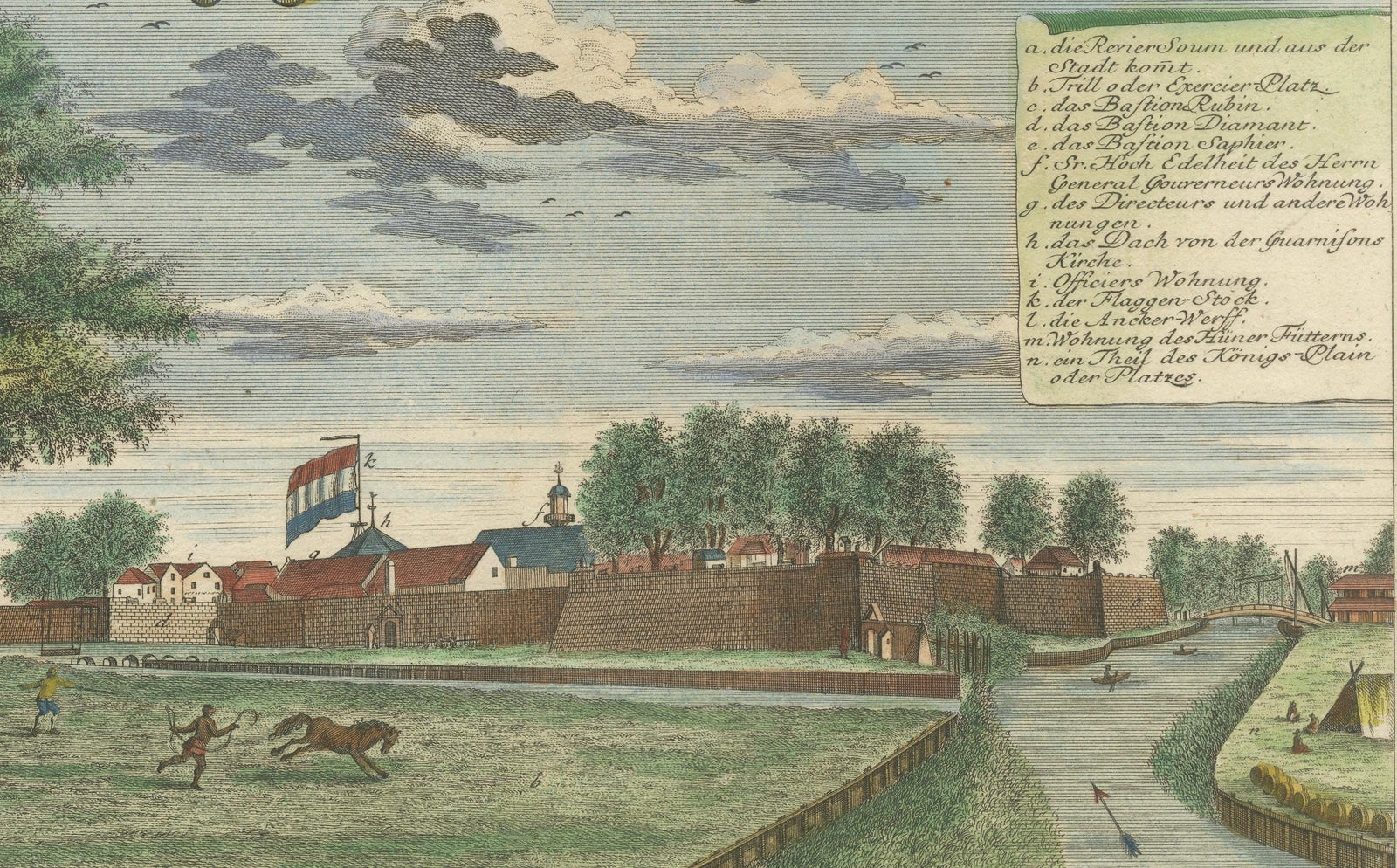
Framed and on the wall
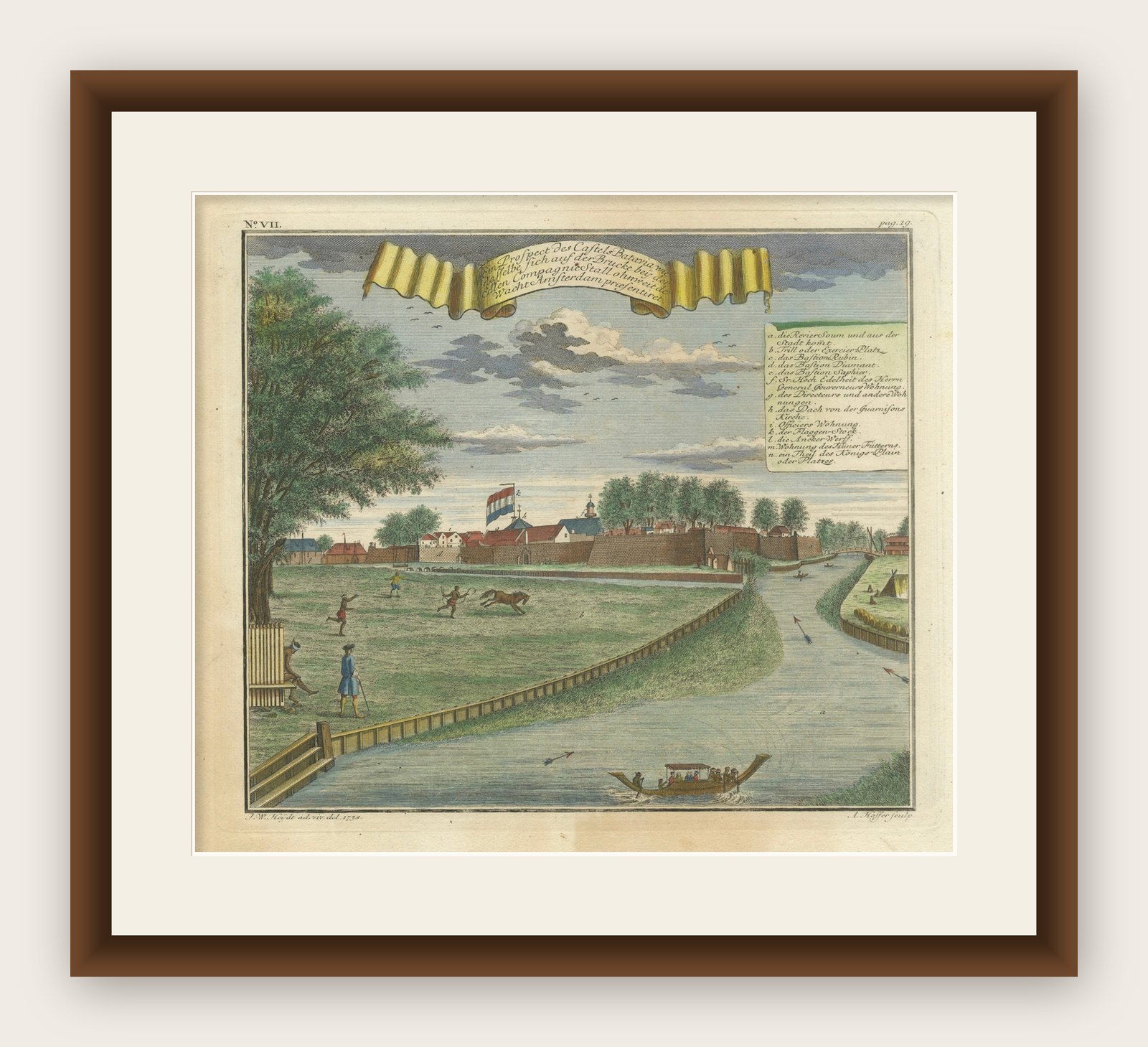


Frame and rooms are illustrations of how the print could look, drawn to its real size; it is sold unframed unless the description says otherwise.
The Company
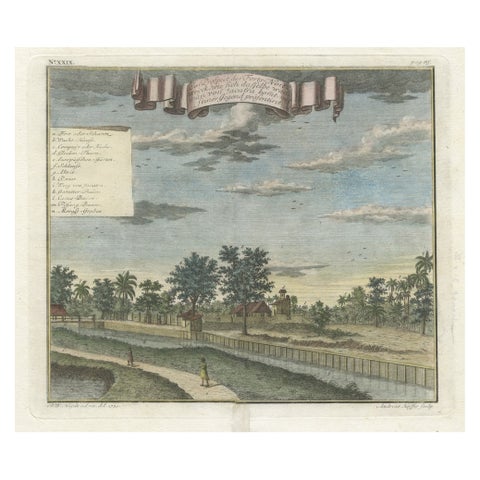
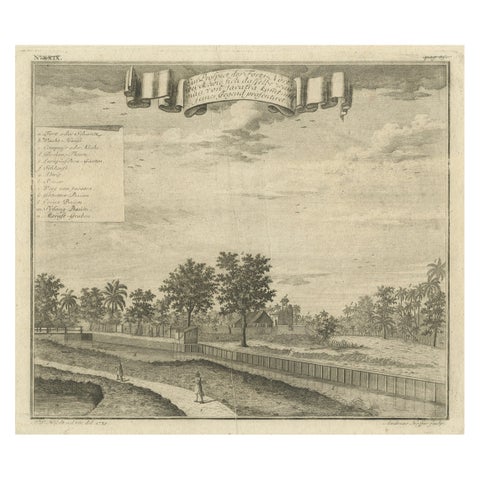
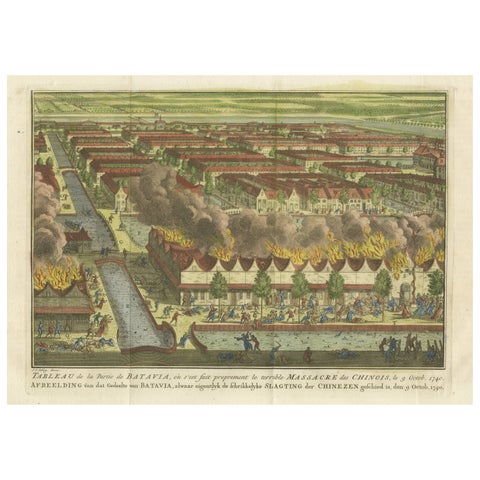
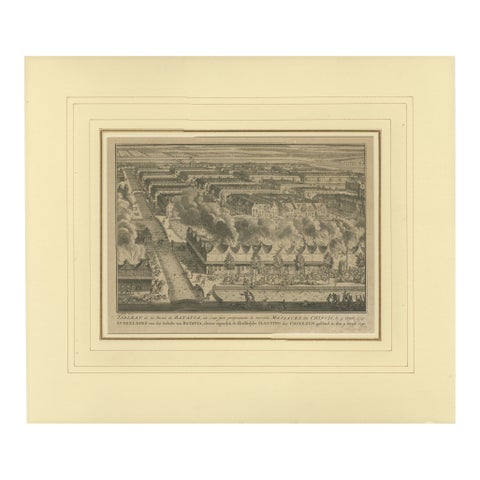
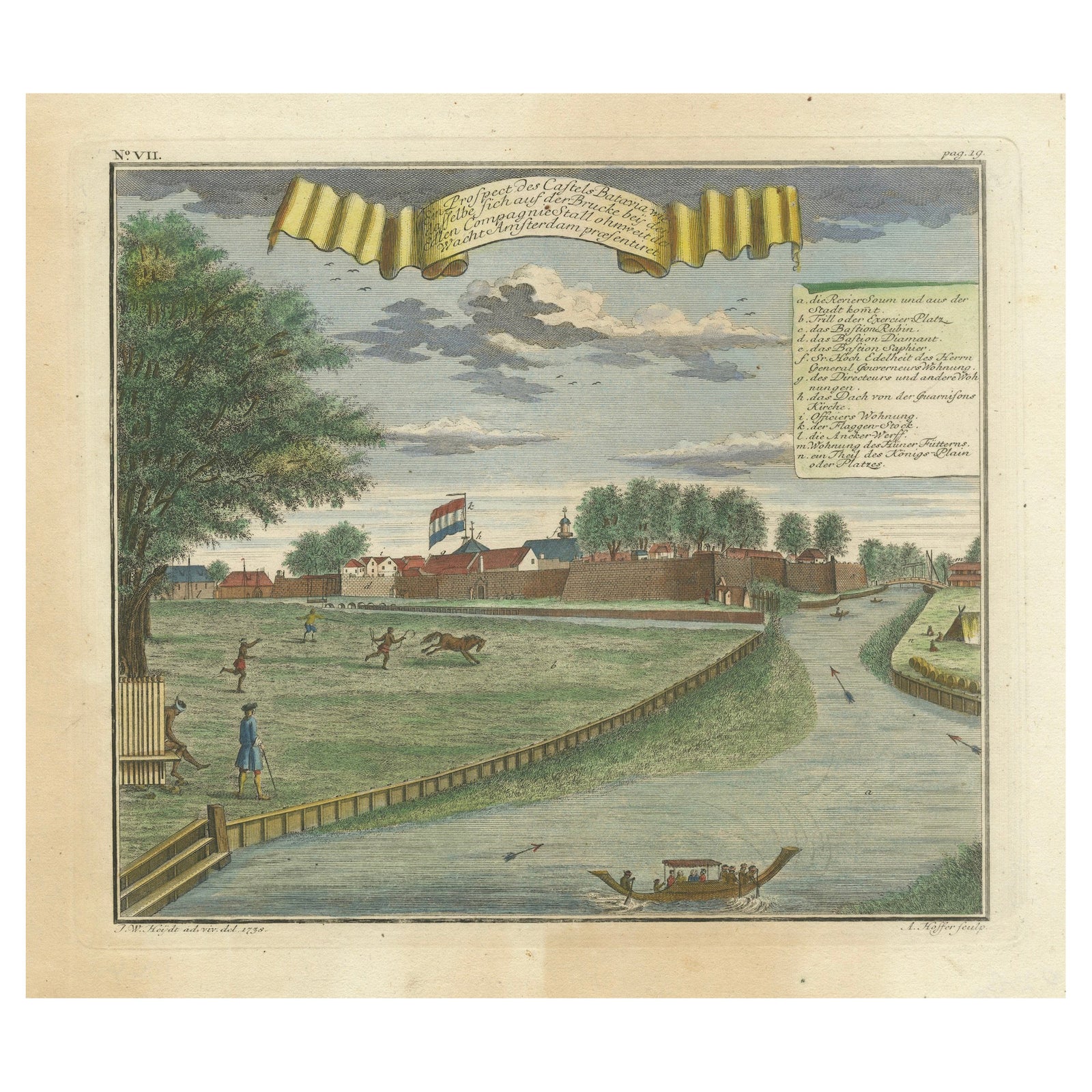
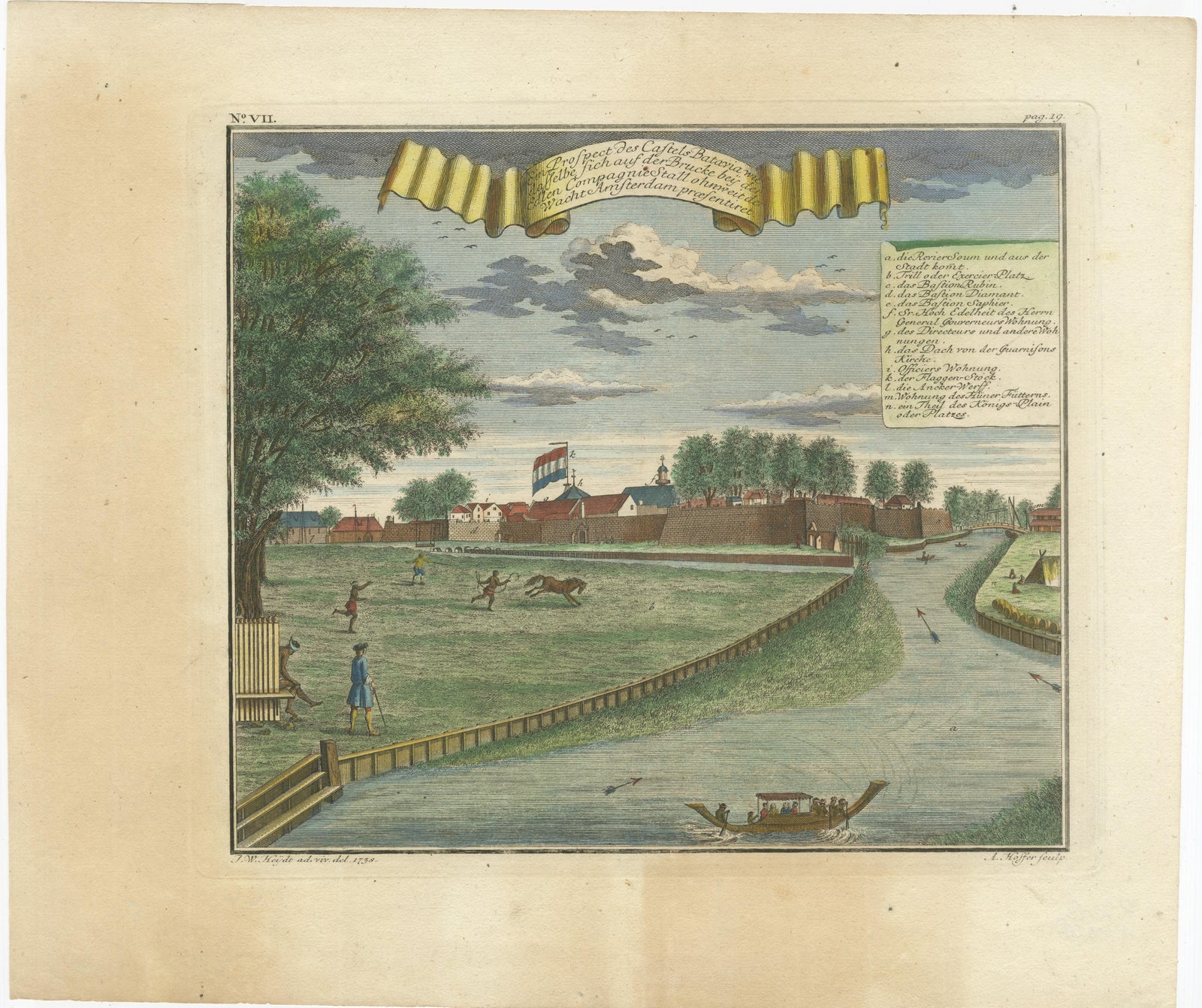
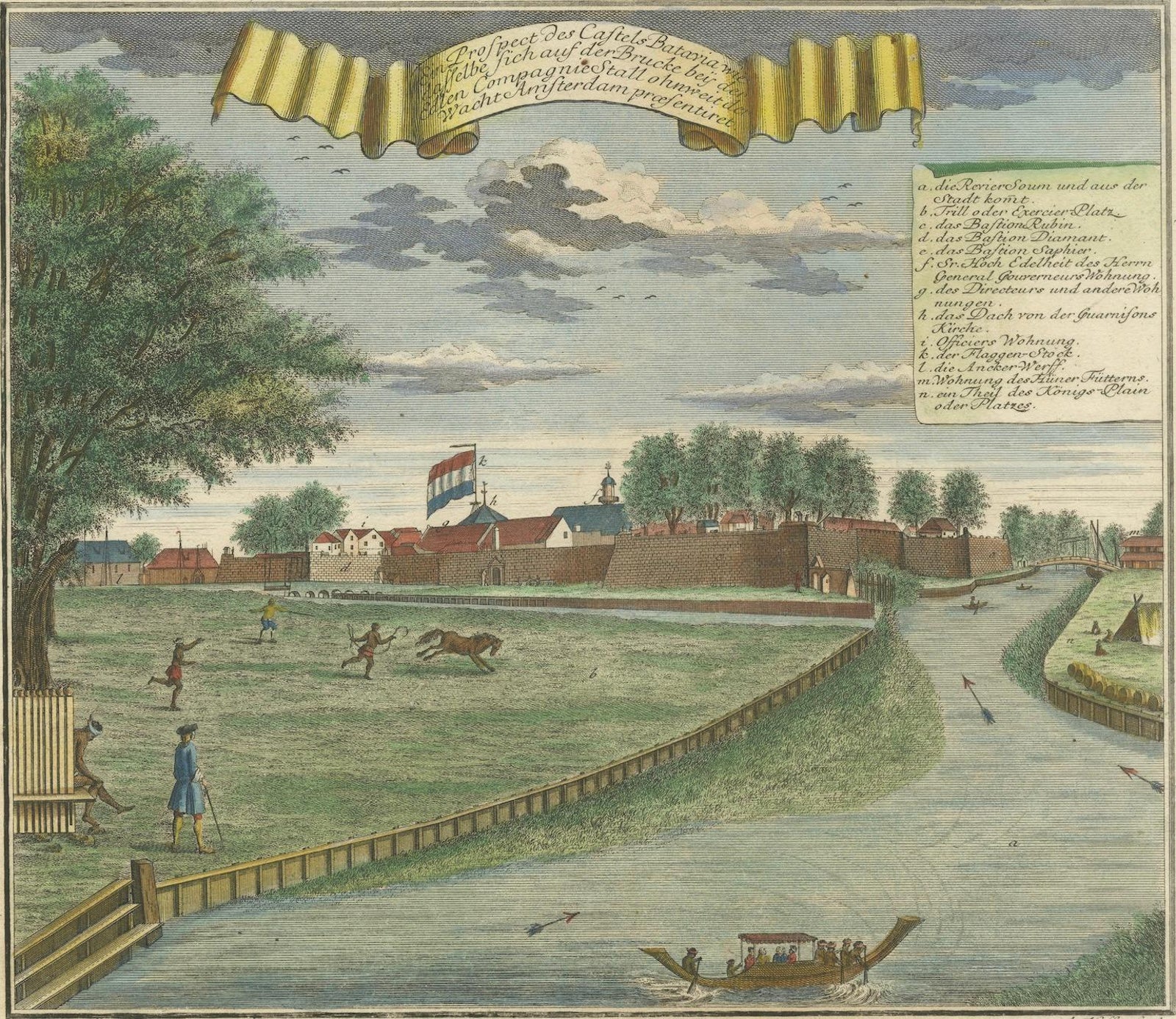
Batavia Castle and Parade Ground, Hand-Colored Engraving by J.W. Heydt, 1738
Batavia is now Jakarta.
$480
€430 · £360
Original print, not a reproduction
Ships worldwide from the Netherlands, insured and tracked. 14-day returns.
- Date
- 1738
- Sheet size
- 12.2 × 14.3 in (31 × 36.2 cm)
- Condition
- Very good for age. Toning to the sheet, minor foxing in the margins, strong plate mark, and bright original hand-coloring. Wide margins present. Image is clean and decorative.
- Island
- Java
- Place names
- Batavia is now Jakarta
- Collection
- The Company
- Period
- The Company, 1700 to 1799
- Stock no.
- f_46236532
- Color
- Hand colored
What the condition grades mean
- Excellent
- Bright and clean, with no faults worth mentioning.
- Very good
- Only light signs of age, such as faint toning.
- Good
- Normal signs of age for a sheet of this period: toning, some foxing, small marks or neat old repairs.
- Fair
- Clear faults such as staining, tears or repairs, priced to match.
Every fault we see is written in the condition note, and the whole sheet is shown uncropped in the photos.
Batavia Castle and Parade Ground, Hand-Colored Engraving by J.W. Heydt, 1738
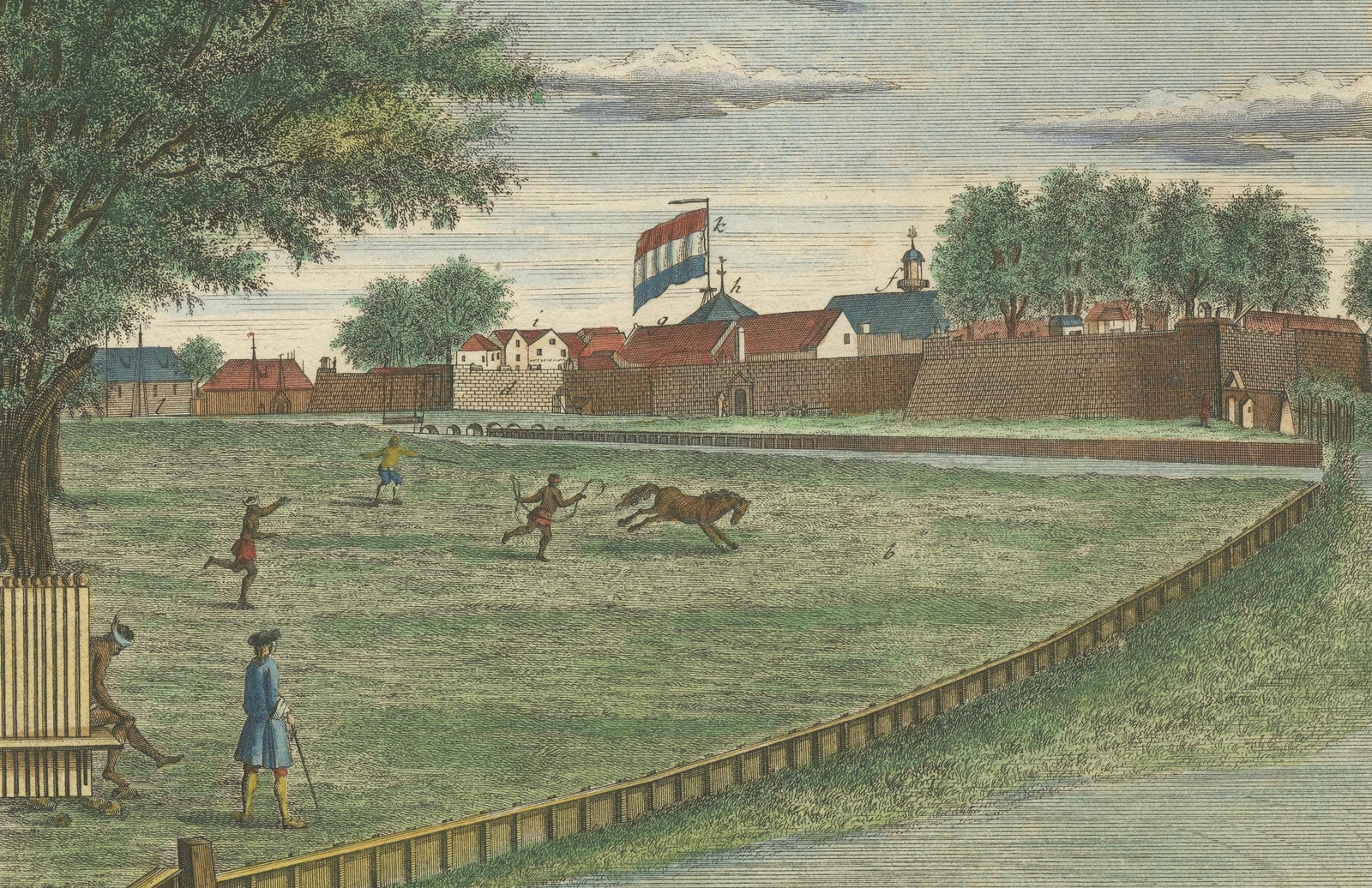
This finely hand-colored copper engraving by Johann Wolfgang Heydt, dated 1738, depicts Batavia Castle (Kasteel Batavia) in the Dutch East Indies, present-day Jakarta, Indonesia. The scene shows the fortified headquarters of the Dutch East India Company (VOC) with its massive walls, bastions, and flagstaff flying the Dutch tricolor. In front of the castle lies an open field serving as a parade and exercise ground, where figures can be seen engaging in riding practice, walking, and recreation.
The engraving captures both the military and social aspects of VOC colonial life. In the foreground, a canal or moat curves around the fortifications, with a passenger boat ferrying people across the water. Trees line the ramparts, and the surrounding settlement is visible in the distance, with red-tiled roofs and church spires breaking the skyline. A decorative ribbon cartouche at the top bears the descriptive title, while a numbered key at the right identifies key locations within the view, including bastions, gates, and notable structures.
This image is part of Johann Wolfgang Heydt’s important series of topographical engravings documenting VOC possessions in Africa and Asia, published in 'Allgemeine Beschreibung von Africa und Ost-Indien' in the mid-18th century. These plates were based on first-hand observations and official VOC sources, making them valuable historical records of colonial architecture and settlement planning.
Framing tips: A cream or off-white mount with a dark wood or gilt frame will complement the vivid hand-coloring and emphasize the architectural detail of the castle and fortifications.
Technique: Hand-colored copper engraving
Maker: Johann Wolfgang Heydt, Dutch East Indies, 1738
Explore