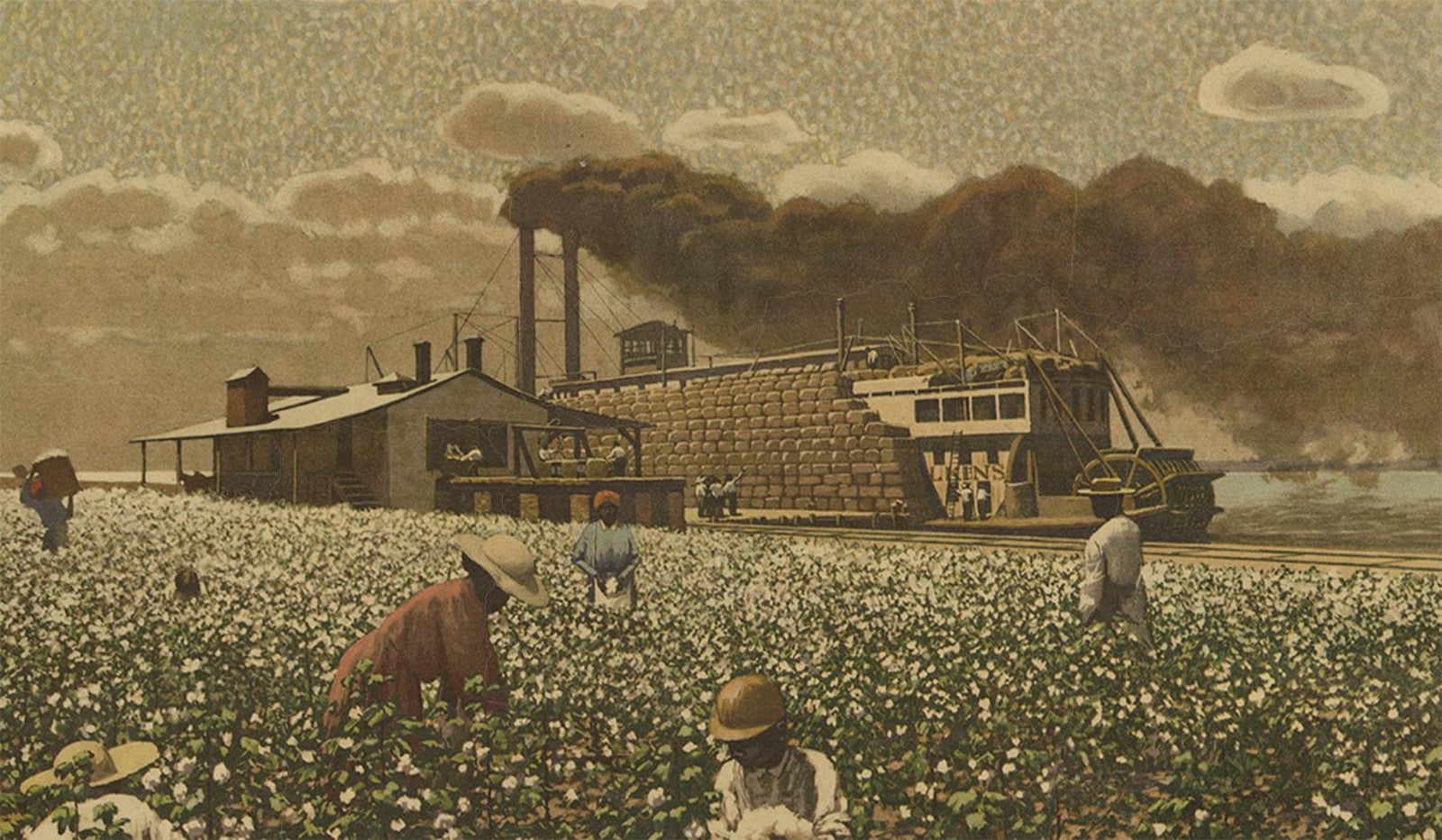
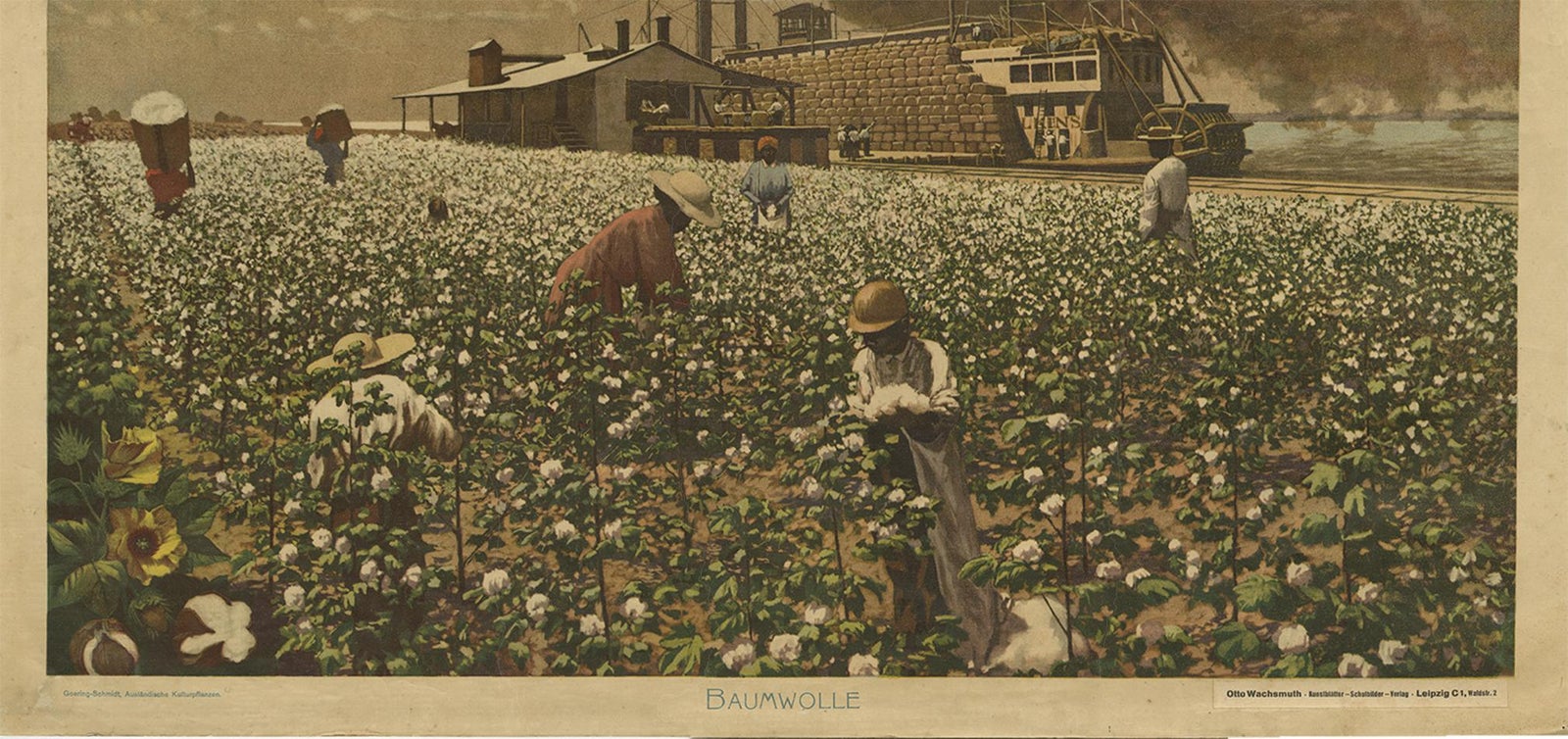
Close-ups


Framed and on the wall
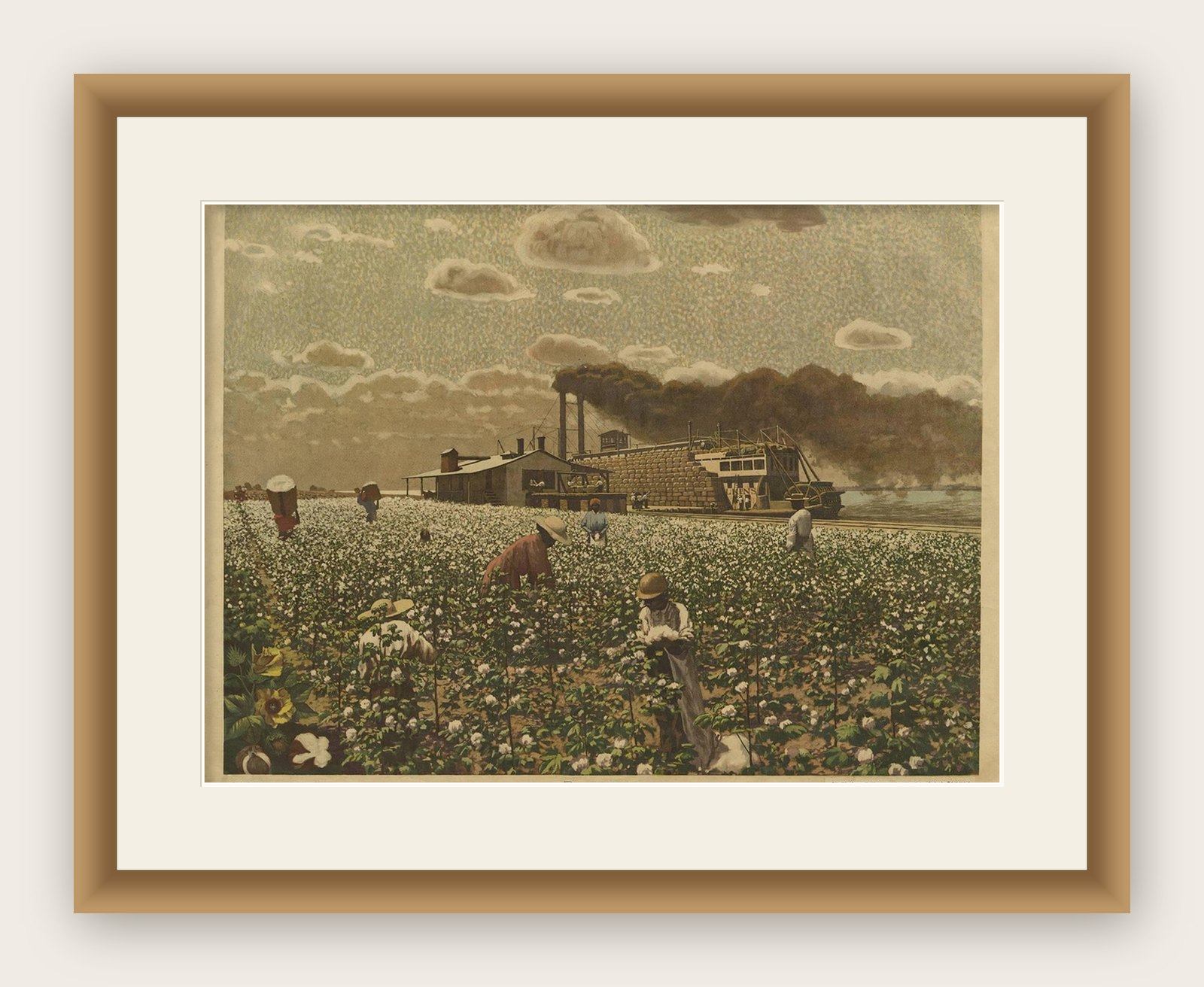


Frame and rooms are illustrations of how the print could look, drawn to its real size; it is sold unframed unless the description says otherwise.
Towns and Landscapes
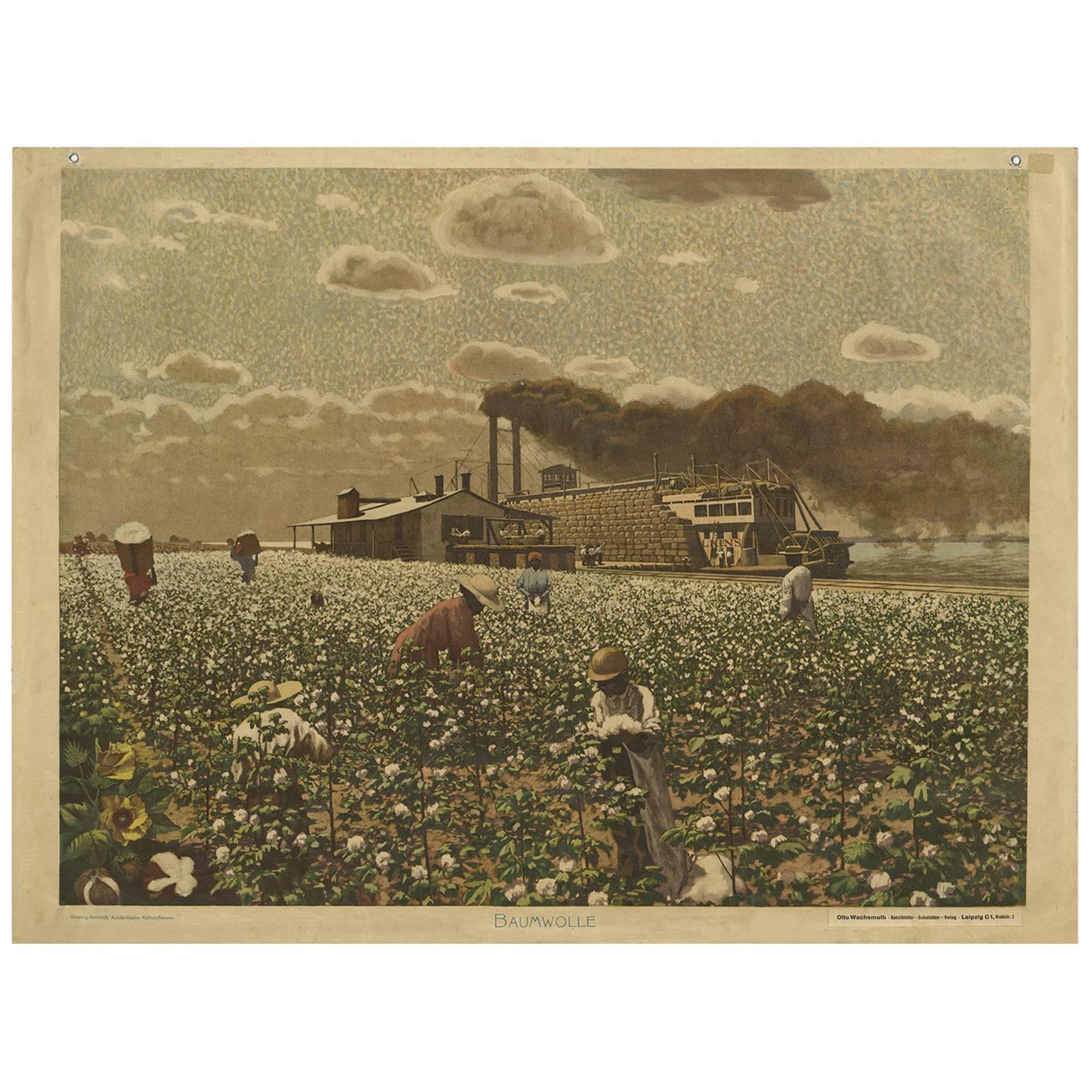
Antique Print 'Schoolplate' of a Cotton Field by F.E. Wachsmuth, circa 1900
€785
$880 · £660
Original print, not a reproduction
Ships worldwide from the Netherlands, insured and tracked. 14-day returns.
- Date
- 1900
- Sheet size
- 25.8 × 34.3 in (65.5 × 87 cm)
- Condition
- Good. Minor structural damages. Minor fading. Please study image carefully.
- Collection
- Towns and Landscapes
- Period
- Netherlands Indies, 1850 and after
- Stock no.
- f_9154001
What the condition grades mean
- Excellent
- Bright and clean, with no faults worth mentioning.
- Very good
- Only light signs of age, such as faint toning.
- Good
- Normal signs of age for a sheet of this period: toning, some foxing, small marks or neat old repairs.
- Fair
- Clear faults such as staining, tears or repairs, priced to match.
Every fault we see is written in the condition note, and the whole sheet is shown uncropped in the photos.
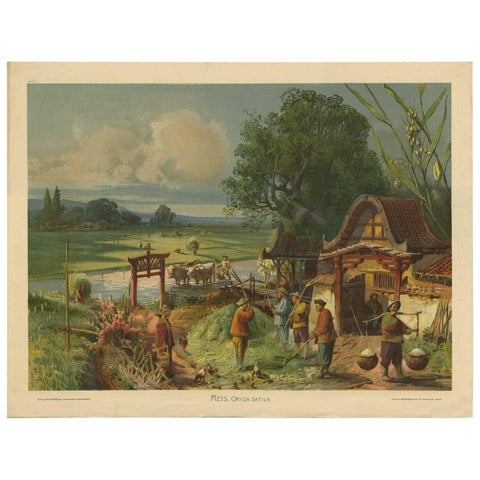
No. 4 of the German schoolplates for illustrating the lessons about spices, colonies and tropical products. Printed on cardboard.
This antique print, a 'Schoolplate' envisioned by F.E. Wachsmuth around 1900, offers a captivating depiction of a cotton field. This educational illustration aims to acquaint learners with the visual details of a cotton plantation, serving as a teaching tool in classrooms of the era.
The artwork portrays the intricacies of a cotton field, showcasing the growth stages of the cotton plants, their arrangement within the field, and possibly the surrounding landscape. The artist's attention to detail provides a vivid and informative representation, allowing students to observe the characteristics of a cotton crop.
Wachsmuth's schoolplate likely intended to educate students about the cultivation and production of cotton, a vital aspect of agricultural knowledge during that period. It might feature not only the cotton plants but also supplemental details or descriptions to aid in understanding the cotton-growing process.
As an antique 'Schoolplate,' this print serves as a historical testament to educational methodologies, offering a glimpse into how visual aids were used to impart agricultural knowledge in early 20th-century classrooms.
Explore